
Have you ever written a great blog post that doesn’t show up on Google? It is frustrating. You have the words, the right voice, and the right information, but Google cannot find your site.
That is where technical SEO comes in.
While most people focus on the words on the page, technical SEO is about the website itself. If the website is not working properly, it does not matter how good the words are.
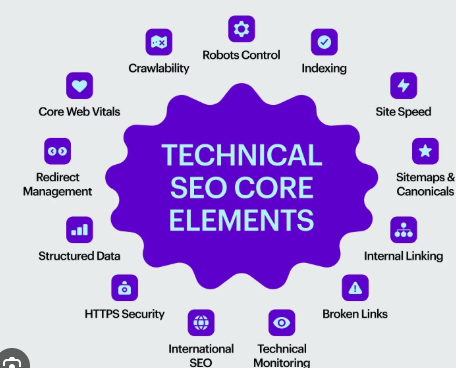
How to make your website work well
Technical SEO is the practice of making your website work well. The goal is to make it easy for Google to find and understand your site.
Think of it this way:
Content is the story you tell.
On-Page SEO is how you present that story.
Technical SEO is the website itself. If the website is not working, nobody will read your story.
Why Should You Care
Google wants people to be happy. If Google sends someone to a site that is broken or slow, that person will get annoyed. To prevent this, Google rewards sites that work well.
When you focus on SEO, you are making life easier for your visitors. A site that works well is a site that people will like.
The Big Pillars of a Healthy Website.
You do not need to be an expert to get the basics right. Here are the main things to keep an eye on:
1. Speed: Do not make people wait.
We have all been there. You click a link. The page does not load. Most people will leave. Speed is important. Making your site faster helps your pages load quickly. A fast site feels good.
2. Mobile-Friendliness: Designing for phones.
Most people use their phones to browse the web. If your site does not look good on a phone, Google will notice. This is called design. It makes your site look good on all devices.
3. Security: The padlock.
3. Security: The padlock.
Security is important. Using HTTPS keeps your visitors safe. It is like having a security guard for your site. Without it, browsers might warn people that your site is not secure.
4. Crawlability: Giving Google a map.
Google uses bots to find sites. You want to make it easy for them. By using a map of your site, you are giving these bots a guide. It tells them where the important information is.

Simple Ways to Boost Your SEO
If you are feeling overwhelmed, start small. You can make your site better with a simple change:
Fix broken links: links that do not work. They are like ends. Use a tool to find them and fix them.
Clear the clutter: old things you do not use. They slow down your site. Create problems.
Use links: Instead of a complicated link, use a simple one. It is easier for people to read. For Google to understand.
Avoid content: Sometimes the same page can be found in two different places. This confuses Google. Use a tag to tell Google which page is the main one.
The Power of Structured Data
One good tip is to use data. This is a way of labeling your content so Google understands it.
If you are reviewing a product, structured data tells Google what the price and rating are. This helps your site show up with information. It makes people more likely to click your link.
Common Technical Mistakes to Avoid
Even experts make mistakes. Here are a few things to watch out for:
Blocking important pages: Sometimes people accidentally tell Google not to look at a page. Always check that your main pages are open.
Image files: Big pictures can slow down your site. Always make them smaller before uploading.
Ignoring redirects: If you move a page, make sure the old link points to the new one. A broken redirect can cause problems
For more details, Click Here
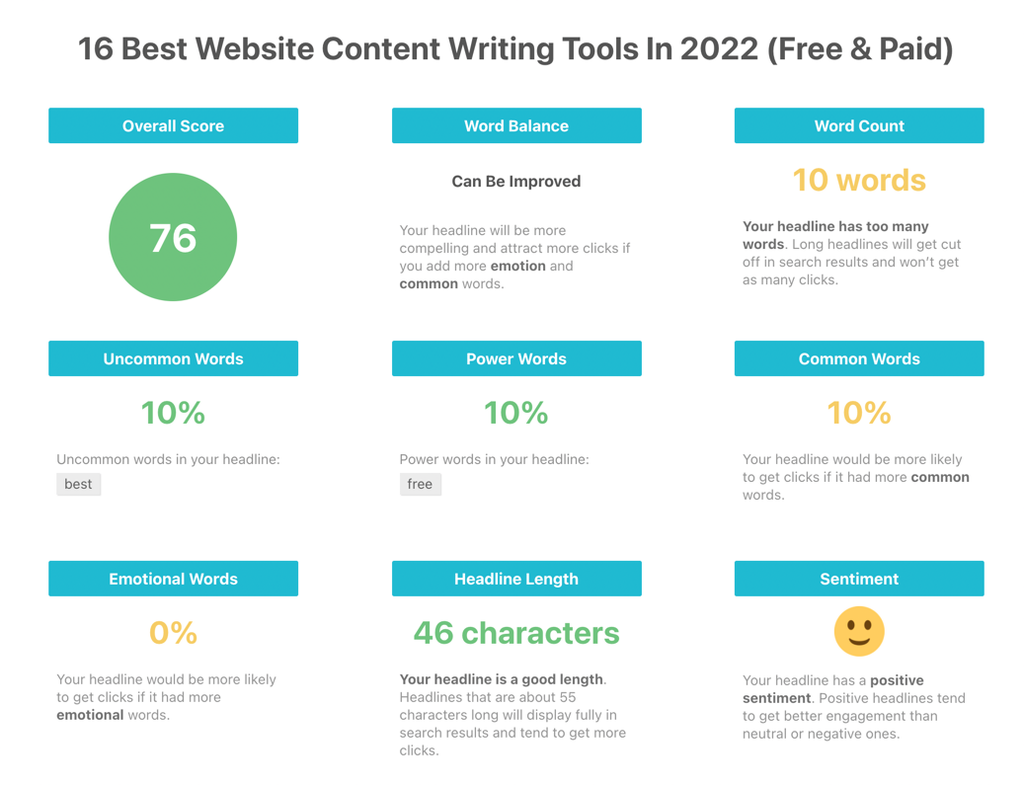
Essential SEO Content Writing Tools
You don’t have to work alone. Using the best SEO content writing tools can save you hours of guesswork. Here are the top picks for different stages:
1. Research Tools
- Google Keyword Planner: Great for finding search volume.
- AnswerThePublic: Perfect for finding “how-to” long-tail keywords.
- Semrush/Ahrefs: High-end SEO tools for content writing that show what your competitors are ranking for.
2. Optimization and Grammar Tools
- SurferSEO: Tells you exactly how many times to use a keyword based on the top 10 results.
- Grammarly: Ensures your SEO-optimized content writing is free of embarrassing typos.
- Hemingway Editor: This tool is widely regarded as the best for enhancing your readability score.
Essential SEO Content Writing Tools
These tools analyze top-ranking pages (SERPs) for target keywords and provide real-time recommendations for Natural Language Processing (NLP) terms, headings, word counts, and search intent alignment.

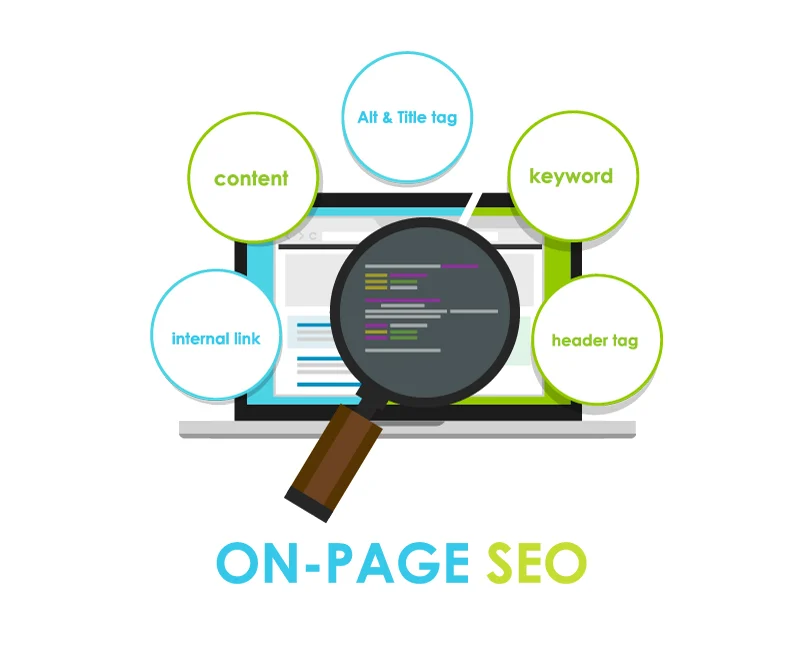
On-Page Optimization: Where to Put Your Keywords
Once you have your list, you need to place them where search engines can find them without making the content sound robotic.
- The Title Tag: Your primary keyword should be as close to the beginning as possible.
- H1 and H2 Headers: Use variations of your keyword to structure your post.
- The First 100 Words: Tell Google immediately what the page is about.
- Meta Descriptions: While not a direct ranking factor, a well-placed keyword here increases your Click-Through Rate (CTR).
- Alt Text for Images: Help search engines “see” your images by describing them using relevant terms.
Understanding User Intent: The 2026 Secret Sauce
The most successful marketers don’t just target words; they target intent. Before you decide to rank for a specific seo keyword, you must ask: What is the user trying to do?
Informational Intent (The “Learner”)
The user is looking for an answer. They aren’t ready to buy; they want to be educated.
- Target with: How-to guides, “What is” posts, and educational videos.
Navigational Intent (The “Searcher”)
The user is looking for a specific brand or website they already know exists.
- Target with: Clear brand names and optimized landing pages.
Commercial Investigation (The “Researcher”)
The user knows what they need but is comparing options.
- Target with: “Top 10” lists, reviews, and comparison articles.
Transactional Intent (The “Buyer”)
The user has their credit card in hand. They are ready to act.
- Target with: Product pages, “Hire us” forms, and discount offers.