
Table of Contents
What Are Google Algorithm Updates?
Google algorithm updates are changes in the system Google uses to rank and show websites in search results. These updates help Google decide which pages should appear first when someone searches for something.
When Google updates its algorithms, it updates the way it indexes and organizes web pages for search results. The main goal of Google is always the same: to give users the most useful, accurate, and trustworthy information. If a website has helpful and high-quality content, it has a better chance of ranking higher in search results.
Why Does Google Continue to Update Its Algorithms?
Google regularly updates its algorithms to improve search results and user experience. These updates help remove low-quality or spammy content from search results and encourage websites to create valuable and original content.
Another reason is the change in how people search online. Today, many users search using mobile phones and even voice search. Because of these changes, Google must update its system to better understand user queries and provide the best possible results.
Significant Changes to the Google Algorithm You Should Know
1. Panda (2011)
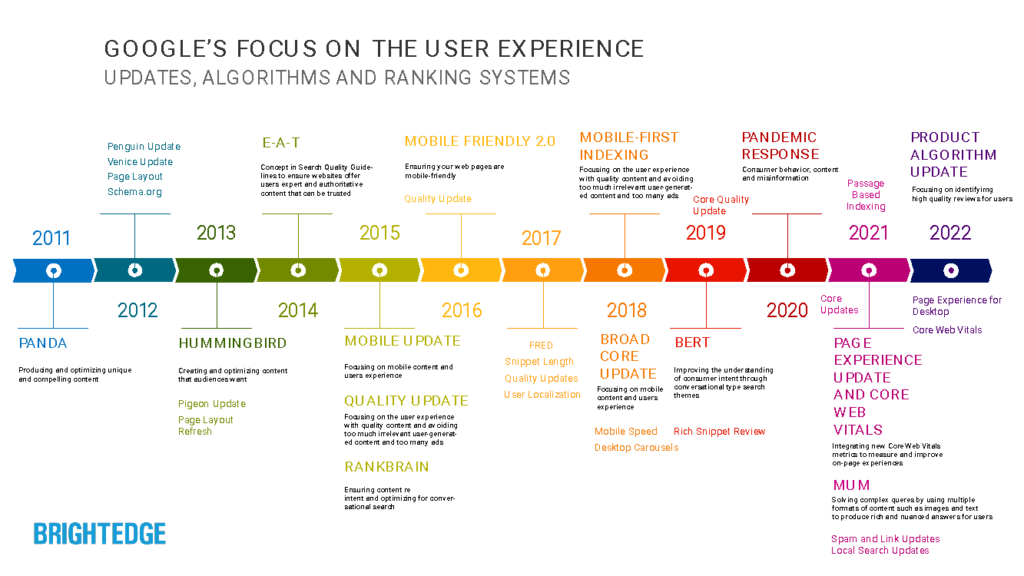
The Panda update focused on improving content quality. Websites with low-quality, copied, or thin content lost their rankings. This update made it clear that good and useful content is essential for SEO.
2. Penguin (2012)
Penguin targeted websites that used spammy link-building techniques. Websites that bought links or used low-quality backlinks were penalized. This update highlighted the importance of natural and high-quality backlinks.
3. Hummingbird (2013)
Hummingbird changed how Google understands search queries. Instead of only matching keywords, Google started focusing on the meaning behind the search. This made long-tail keywords and natural language more important.
4. Mobilegeddon (2015)
This update made mobile-friendly websites a ranking factor. Websites that were not optimized for mobile devices saw a drop in rankings. It also led to Google using mobile-first indexing, meaning Google mainly looks at the mobile version of a website.
5. RankBrain (2015)
RankBrain introduced artificial intelligence into Google’s ranking system. It helps Google understand complex and new search queries by learning from user behavior. This made user intent an important part of SEO.
6. E-E-A-T and Helpful Content Update (2022)
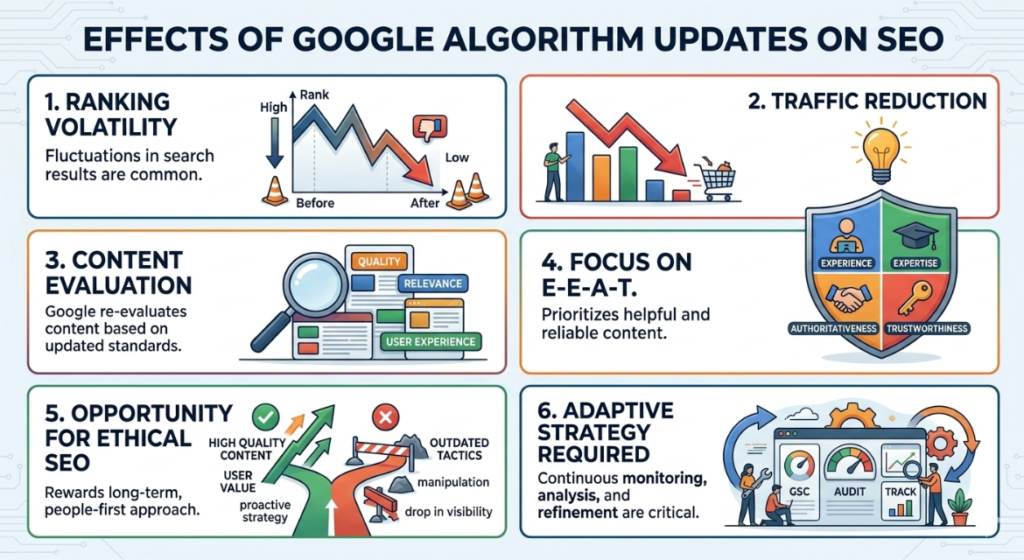
This update focuses on Experience, Expertise, Authoritativeness, and Trustworthiness. Google rewards websites that create helpful content written by people with real knowledge and experience in the topic.
How Do Google Algorithm Updates Affect Your SEO?
Changes in Search Rankings
After a major update, some websites may see a sudden drop or increase in rankings. Pages that were previously on the first page may move to lower positions if they do not meet Google’s updated standards.
Shift in Keyword Strategy
SEO used to focus mainly on short keywords. Now, Google prefers content that targets long-tail keywords and answers specific questions from users.
Importance of High-Quality Content
Since the Panda update, content quality has become one of the most important SEO factors. Content should be original, well-researched, informative, and useful for readers.
Focus on Quality Backlinks
Google now values the quality of backlinks more than the number of backlinks. One link from a trusted website is more valuable than many links from low-quality sites.
User Experience Matters
Website speed, mobile friendliness, and easy navigation all affect rankings. A slow or poorly designed website may rank lower even if the content is good.
How to Protect Your SEO From Algorithm Updates
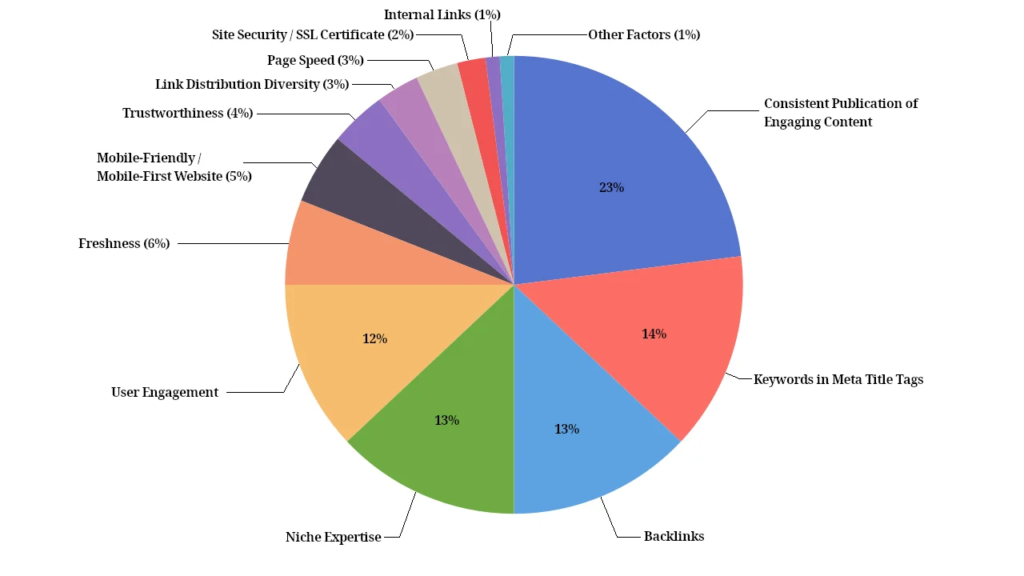
Create Valuable Content. Focus on writing helpful and informative content that answers real questions from users. Use both short and long-tail keywords naturally in your content.
Build High-Quality Backlinks. Get backlinks from trusted and relevant websites through guest posts, research articles, and shareable content.
Optimize for Mobile Devices. Make sure your website works well on smartphones and tablets. A mobile-friendly design improves both user experience and search rankings.
Improve Website Speed. A fast-loading website improves user satisfaction and helps maintain better rankings in search results.
Show Expertise and Trust. Provide accurate information, cite reliable sources, and show the author’s expertise. This helps build trust with both users and search engines.
Monitor Your Website Performance. Use tools like Google Search Console and Google Analytics to track website traffic and detect any changes after a Google update.
For more details, click here.